
Master Anti-Inflammatory Cooking Today
Discover the science-backed techniques and ingredient knowledge that transform your kitchen into a center for nourishing, anti-inflammatory meals. Learn how real home cooks are rebuilding their relationship with food.
The information on this site is for educational purposes only and does not constitute medical advice. Always consult a qualified healthcare professional before making health decisions.
Visual Recipe Inspiration Showcase
Browse real anti-inflammatory dishes from around the Mediterranean and beyond. Each image represents months of culinary research and ingredient testing.
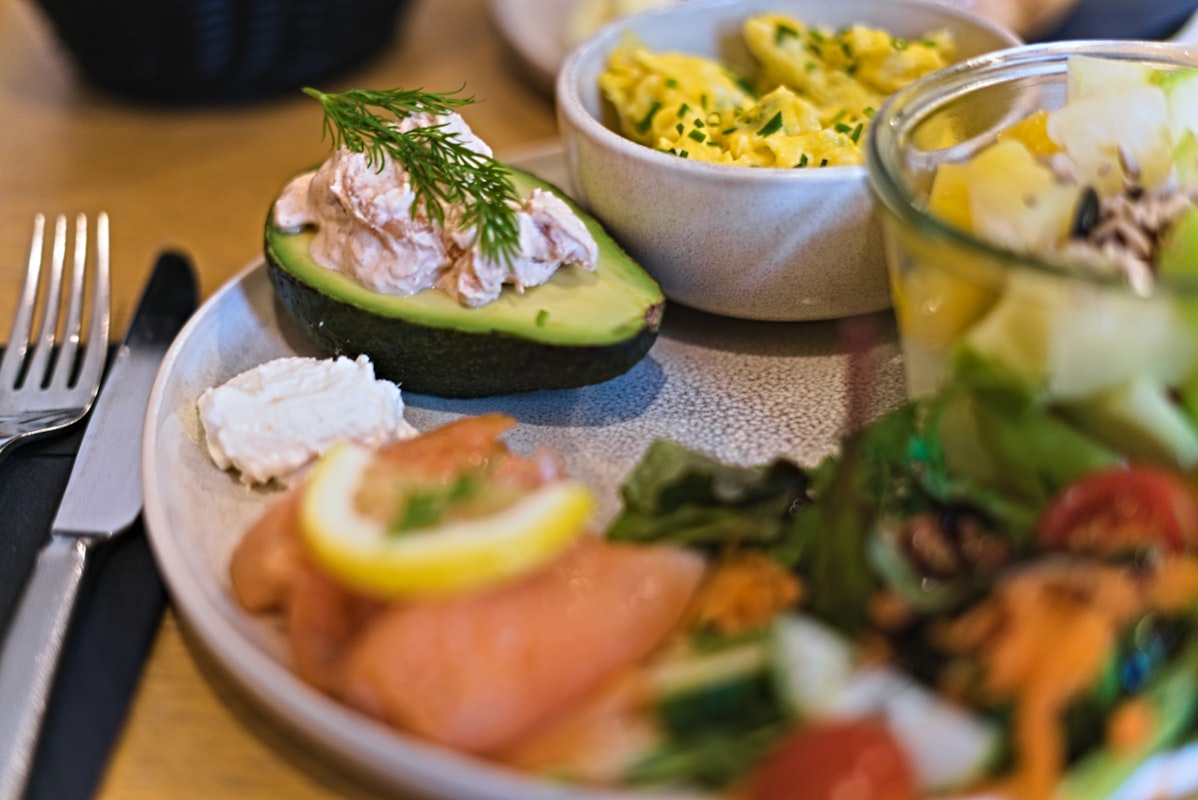
Golden Turmeric Roasted Vegetables
Vibrant root vegetables infused with turmeric, ginger, and olive oil. A cornerstone technique for building flavor using ingredients studied for their role in supporting the body's natural processes.
Key ingredient: Turmeric
Wild-Caught Salmon with Fresh Herbs
Rich omega-3 fatty acids paired with aromatic herbs. This preparation demonstrates how to preserve delicate nutrients through gentle cooking methods.
Key ingredient: Omega-3 rich fish
Leafy Green Salad with Seeds & Vinaigrette
Dark leafy greens combined with polyphenol-rich seeds and fermented vinegar. A fundamental building block for incorporating plant compounds into daily meals.
Key ingredient: Dark leafy greens
Slow-Simmered Bone Broth Foundation
Deep, nutrient-dense liquid built from quality bones and vegetables. Long, slow cooking extracts compounds that support tissue repair and reduce systemic inflammation.
Key ingredient: Quality bones & time
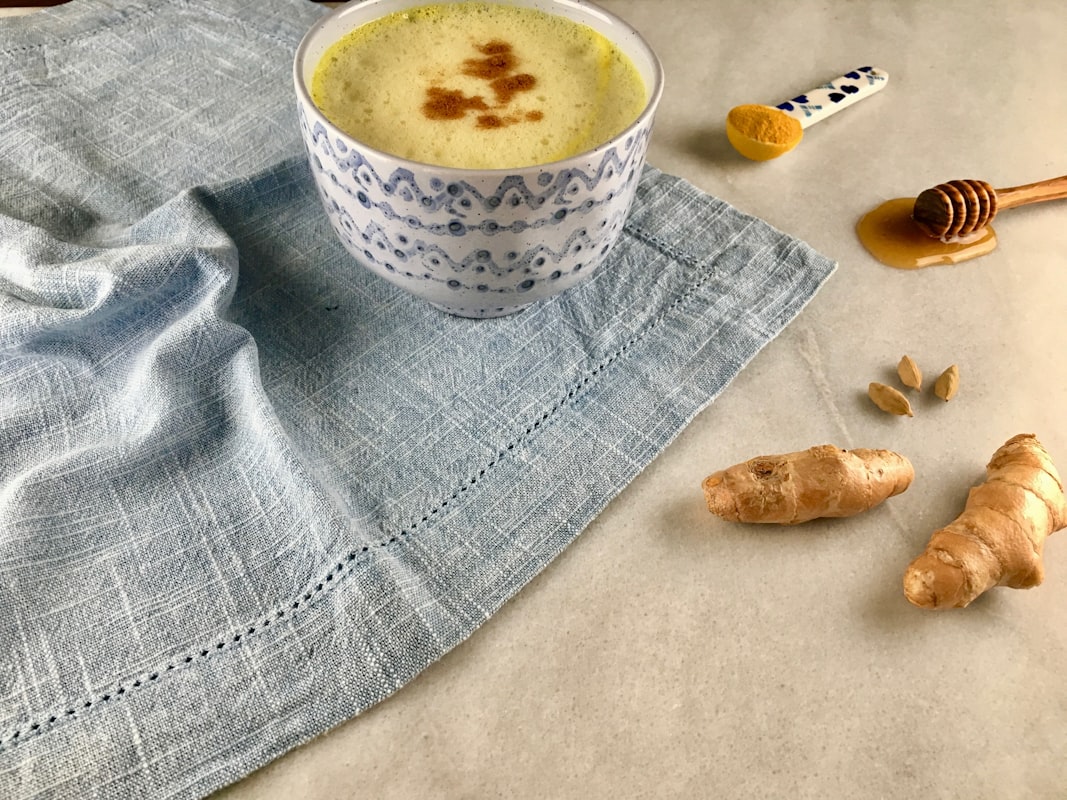
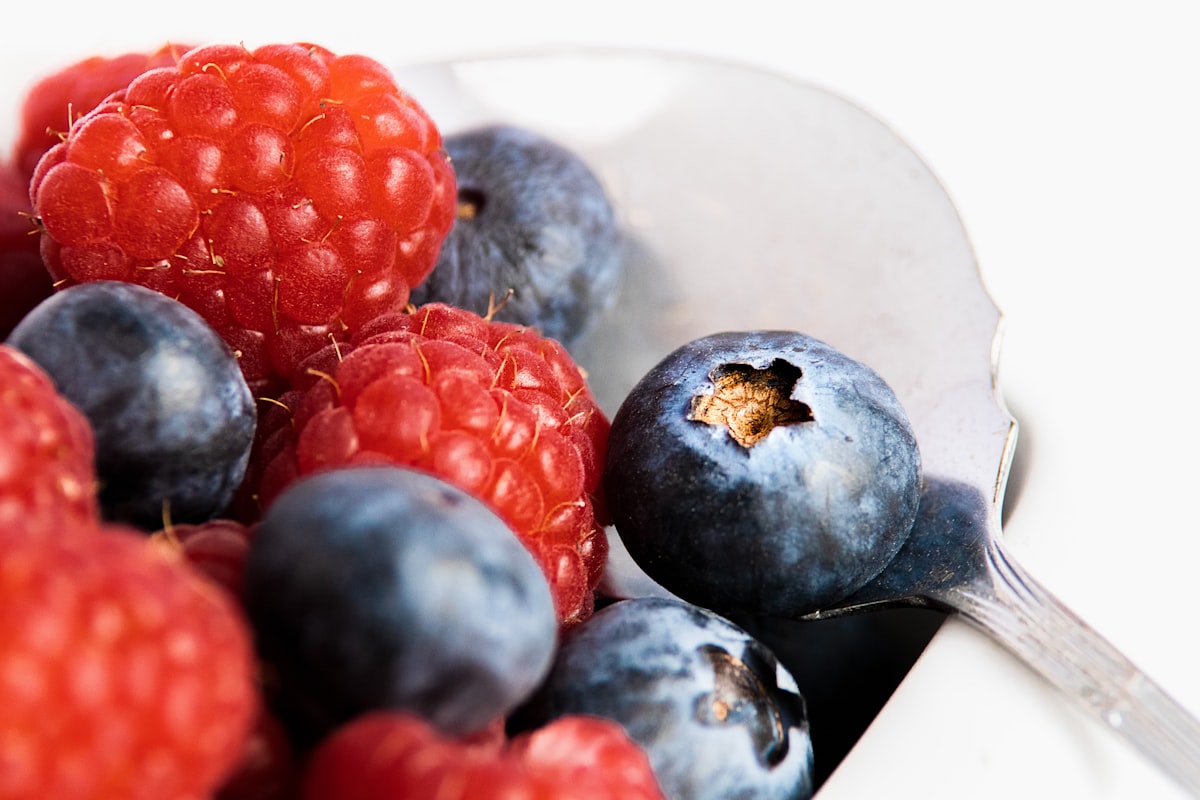
Antioxidant Berries with Nuts & Yogurt
Anthocyanin-packed berries layered with protein and healthy fats. A simple yet powerful approach to combining textures while maximizing polyphenol intake per serving.
Key ingredient: Fresh berries

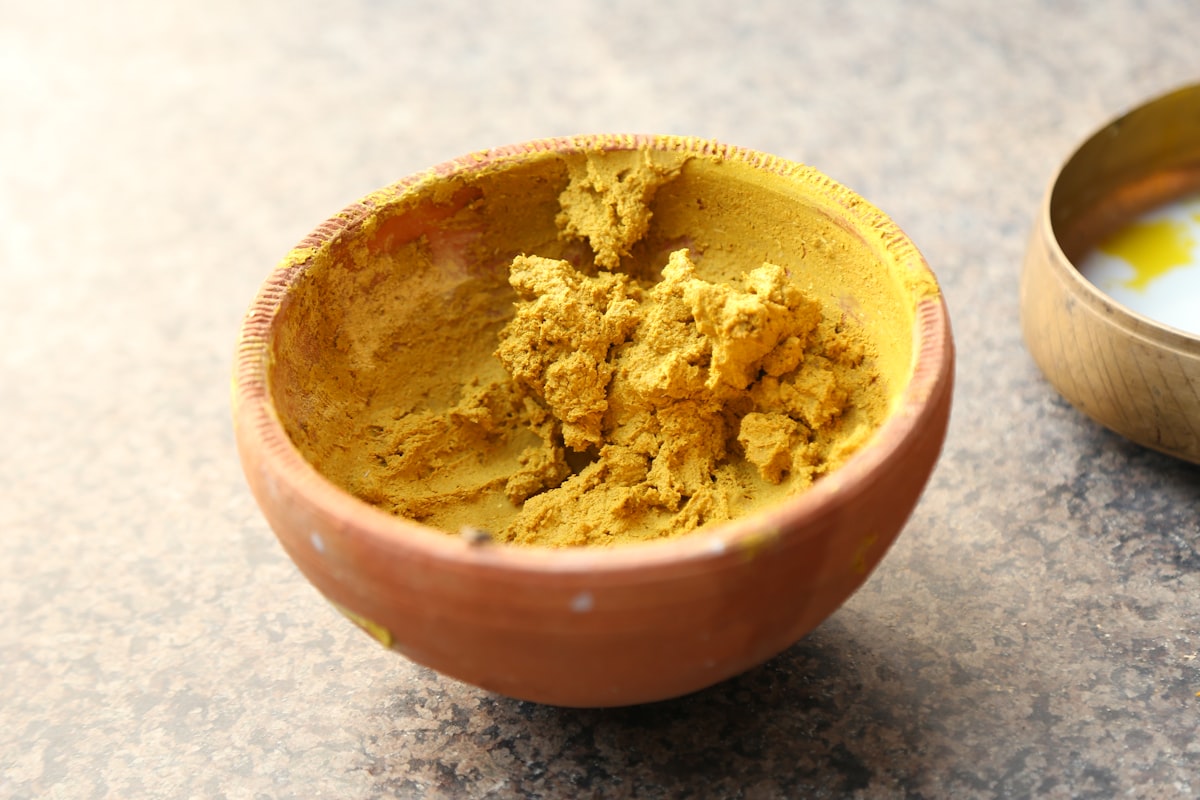
Aromatic Ginger & Garlic Paste Base
Freshly prepared allium and gingerol compounds released through crushing and heating. This foundation ingredient unlocks bioavailable anti-inflammatory molecules in every dish.
Key ingredient: Fresh ginger & garlic
5-Step Guide to Anti-Inflammatory Meals
Follow this structured approach to consistently prepare nourishing dishes that support whole-body wellness through ingredient selection and cooking technique.
Select Quality Ingredients
Begin with whole, minimally processed foods. Prioritize organic vegetables, cold-water fish, grass-fed proteins, and unrefined oils. Each ingredient carries its own nutritional fingerprint—choose consciously.
- Organic produce when available
- Wild or sustainably farmed fish
- Grass-fed or pasture-raised proteins
Prepare Aromatic Bases
Build foundational flavor through slow-cooking alliums, ginger, and spices. This step activates bioavailable compounds and creates the flavor scaffold for deeper complexity throughout your meal.
- Low heat for first 5–7 minutes
- Inhale deeply—scent signals activation
- Add spices before moisture
Apply Gentle Cooking Methods
Use low-to-moderate heat, slow braising, steaming, or light sautéing. High-temperature cooking can damage delicate polyphenols and introduce unwanted compounds. Preserve nutrition through technique.
- Avoid charring and smoking
- Braise leafy greens for 3–5 minutes
- Steam fish for 12–15 minutes
Finish with Fresh Additions
At the end, add raw or lightly warmed herbs, citrus, nuts, and seeds. Heat-sensitive vitamins and volatile compounds are best preserved by adding them last, just before serving.
- Fresh parsley, basil, or cilantro
- Squeeze of fresh lemon or lime
- Scatter nuts or seeds for crunch
Combine & Balance Flavors
Taste critically and adjust acidity, salt, and spice levels. Balance is what makes meals satisfying and sustainable. A dish that tastes exceptional is one you will return to again and again.
- Add acid gradually (lemon juice)
- Taste after each adjustment
- Consider both heat and sweetness
Essential Ingredients Deep Dive
Understanding your core ingredients transforms cooking from recipe-following into intuitive creation. The anti-inflammatory kitchen rests on a foundation of specific, potent plant compounds and quality proteins that have been studied for decades.
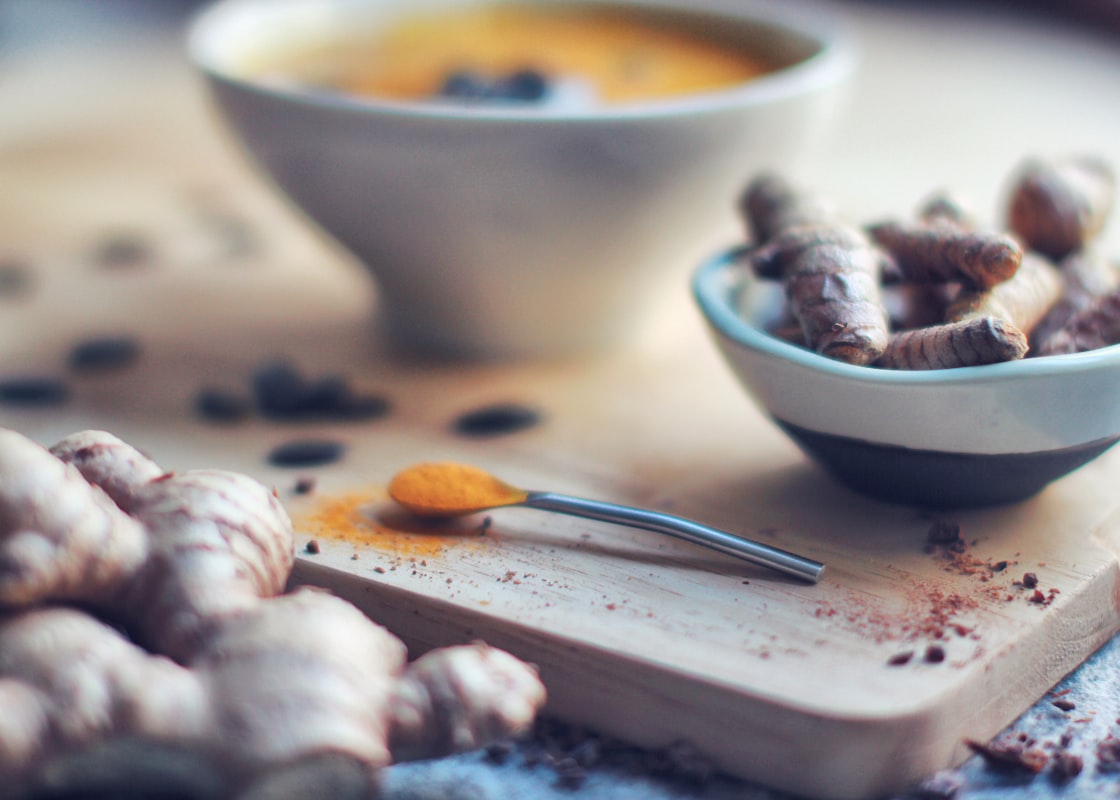
Turmeric & Curcumin
The golden powerhouse of the anti-inflammatory kitchen. Curcumin, its active compound, modulates multiple inflammatory pathways. Always pair with black pepper to enhance absorption—this simple pairing multiplies bioavailability significantly.
Best used in: curries, rice dishes, roasted vegetables, warm milk
Ginger & Gingerols
Fresh ginger contains gingerols, compounds with demonstrable modulatory effects on inflammatory markers. Dried ginger shifts these compounds to shogaols, creating a different (and complementary) profile. Use fresh for bright heat; dried for depth.
Best used in: stir-fries, soups, tea infusions, marinades
Dark Leafy Greens
Spinach, kale, and chard pack antioxidants, minerals, and phytochemicals per calorie than nearly any other food. The bitterness signals bioactive compounds—embrace it. Cooking breaks down tough cellular walls, increasing absorption.
Best used in: salads, soups, sautéed sides, smoothies (raw)
Extra-Virgin Olive Oil
Not all oils are equal. Extra-virgin, cold-pressed varieties retain polyphenol compounds lost in refined oils. Use it raw on finished dishes and for low-temperature cooking. Heating above 160°C degrades these fragile compounds.
Best used in: dressings, drizzling, low-temperature sautéing
Pro tip: Buy ingredients in their most whole form—whole turmeric rhizomes instead of pre-ground powder, fresh ginger instead of jars. Fresher ingredients contain more active compounds and taste exponentially better.
Core Features of Our Approach
What sets this guide apart: research-backed methodology, practical kitchen application, and a commitment to real food over quick fixes.
Whole-Food Foundation
Every technique and recipe centers on minimally processed ingredients. No artificial additives, no extraction-based supplements, no shortcuts—just real food prepared thoughtfully.
Evidence-Based Techniques
Every cooking method and ingredient combination references contemporary nutrition science. We explain the "why" behind each recommendation so you understand, not just follow.
Practical Kitchen Skills
Forget complex techniques requiring specialized equipment. These methods use standard kitchen tools and realistic timeframes for busy home cooks who want real results.
Flavor That Satisfies
Food that supports wellness but tastes ordinary is unsustainable. Every recipe balances nutrition with genuine palatability—meals you'll actually look forward to preparing and eating.
Mediterranean-Inspired Wisdom
Drawing on decades of research from the world's healthiest food cultures. These aren't trendy fads—they're proven approaches to eating that have sustained populations for generations.
Accessible Knowledge
Written for home cooks, not nutritionists. Complex concepts explained clearly. No jargon barriers—just actionable insight you can apply in your kitchen this week.
Common Cooking Questions Answered
Practical answers to questions that arise when you start cooking with anti-inflammatory principles.
How long can I store prepared ingredients?
Most cooked anti-inflammatory dishes keep well for 3–4 days in airtight containers in the refrigerator. Raw preparations (like herb pastes) last 5–7 days. Freeze bone broth in ice cube trays for instant flavor bases whenever needed. The key is proper cooling before storage and consistent refrigeration temperature.
Can I batch-cook these recipes?
Absolutely. Most vegetable-based dishes and braises actually improve with rest as flavors deepen. Prepare large batches on Sunday and portion throughout the week. Proteins are best cooked fresh or within 2 days. Separate cooked proteins from sauces before storage to maintain texture and prevent overcooking during reheating.
What do I do if I can't find certain ingredients locally?
Substitution is fundamental to sustainable cooking. If fresh turmeric is unavailable, quality dried turmeric works well (use about one-third the amount). No wild salmon available? Seek the highest-quality local fish at your fishmonger. Regional produce is often fresher and more nutrient-dense than imported options. Adaptability is the mark of a skilled home cook.
How do I know when vegetables are cooked properly?
Tender-crisp is ideal for most vegetables: they should be easily pierced with a fork but still hold their shape and color. Leafy greens wilt noticeably but retain their vibrant green hue—this usually takes 3–5 minutes of gentle heat. Root vegetables should break apart easily when pressed. Overcooking degrades both flavor and heat-sensitive nutrients. Start checking earlier than recipe estimates and adjust to your preference.
Can I use frozen vegetables instead of fresh?
Absolutely! Frozen vegetables are nutritionally comparable to fresh and often more convenient. They're typically frozen at peak ripeness, preserving nutrients. Use frozen vegetables directly in steaming—no thawing needed. Cooking times may be slightly longer (add 1–2 minutes) since they start cold. Frozen vegetables work especially well in mixed veggie steamers. The main trade-off is texture: some varieties become softer after freezing, but this is often unnoticeable in steamed dishes. Choose individually frozen vegetables over heavily sauced frozen mixes for better nutritional control.
What Our Community Says
Maria K.
Busy Professional
"Learning proper steaming techniques transformed how I prepare vegetables. My family actually asks for seconds now, and I feel good knowing I'm preserving all the nutrients."
Robert J.
Health Enthusiast
"The guide on checking doneness without overcooking is a game-changer. I've cut my cooking time in half and my vegetables taste so much better. Highly recommend!"
Sarah A.
Home Cook
"Finally understand why my steamed veggies never tasted right. The temperature and water tips made all the difference. This is essential knowledge for any kitchen."
Thomas P.
Parent & Educator
"My kids were skeptical about steamed vegetables until we nailed the technique. Now they're asking for broccoli instead of fries. Worth every minute!"